Long vs. short positions in crypto
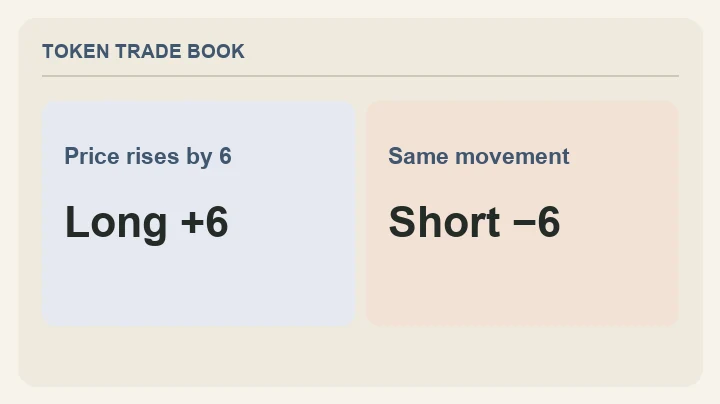
A long gains when price rises and a short gains when it falls, before costs. Closing an existing long uses a sell, so a sell alone tells you little about the resulting direction.
Compare ways to express the same view
An unborrowed spot asset gives long exposure with custody considerations. A borrowed spot short involves paying for borrow and later returning the asset. A derivative short posts collateral and can pay or receive funding. It can be forcibly closed even if the price later moves in the intended direction.
Long and short can coexist in a portfolio
A spot holder can add a derivative short as a hedge. The offset can be imperfect because of basis movements, mismatched units, costs and differing venue risks. In hedge mode, open long and short legs may be accounted for separately; in one-way mode a trade may net against the existing position.
Map the direction to the required closing action
In a one-way account, a buy of one unit against a two-unit short generally leaves one short unit open if the product nets positions. A buy larger than the short may turn the account net long unless the order is limited to reducing it. Verify the account mode and the venue-specific handling of excess quantity.
Does buying always create a long?
In a one-way account a buy can first reduce a short. Check the position effect and any reduce-only setting.
Educational material. Examples are hypothetical.